Miami-Dade luxury high-rises are sinking unevenly, University of Miami research finds

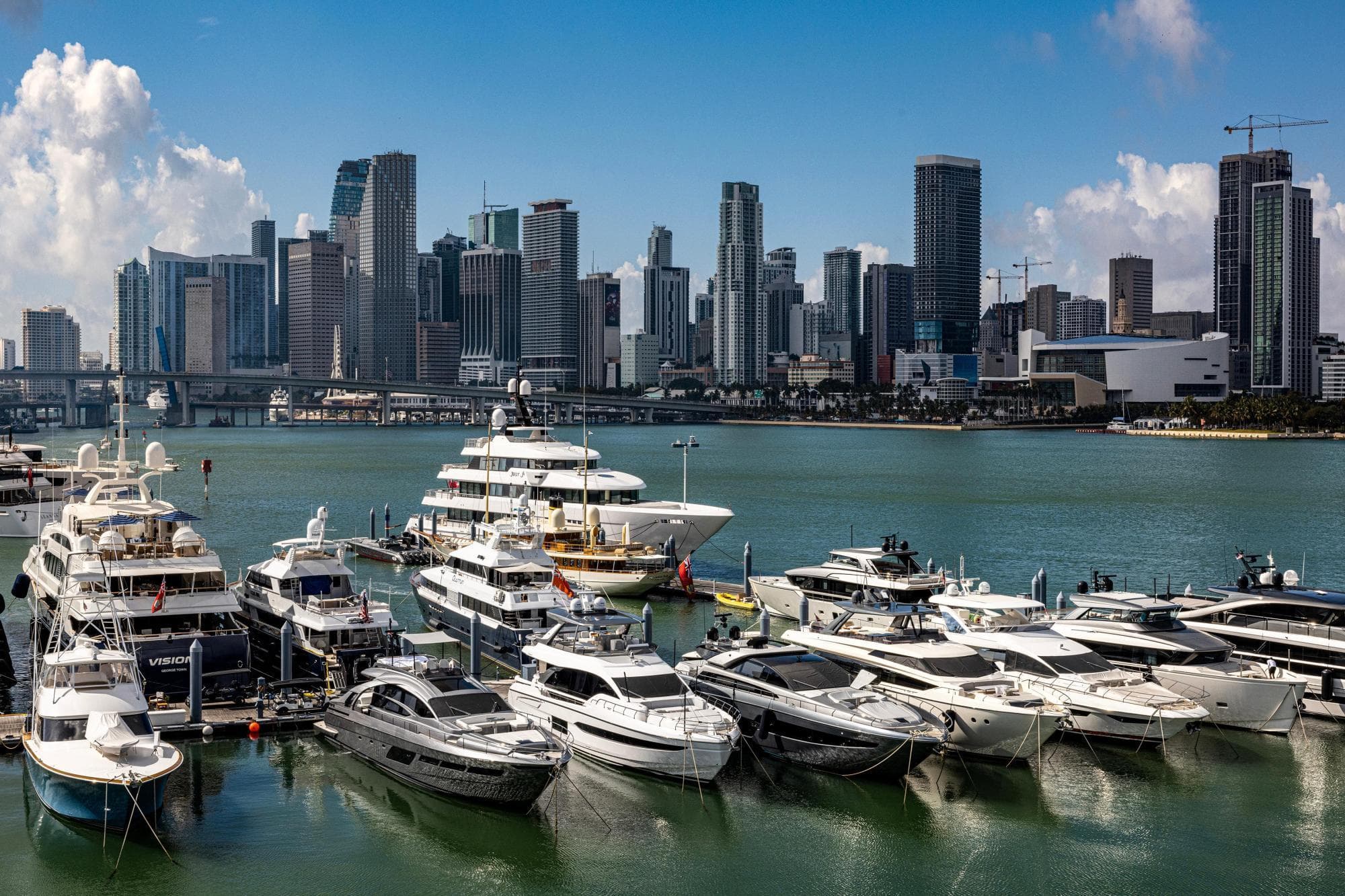
Luxury high-rises in Miami-Dade County are sinking unevenly, new University of Miami research shows, with parts of some buildings settling faster than others.
The University of Miami calls the pattern differential settlement. Amelung said it can potentially create long-term structural damage and increase maintenance and insurance costs.
Falk Amelung, a University of Miami professor, said the findings give scientists a clearer view of how buildings are changing shape over time.
“We can see really well now how these buildings are internally deforming, that some are shrinking and tilting….and that there is differential settlement,” Amelung said.
The new work builds on Amelung’s 2024 paper, which found that at least 35 buildings along Miami’s barrier islands were sinking more than expected. The affected towers included the Porsche Design Tower, the Faena Hotel and several buildings named after Donald Trump.
High-rises are expected to settle as their enormous weight compresses the ground beneath them, but that movement is supposed to stop soon after construction. The university’s research found that the buildings continued to sink into the sand and porous limestone they were built on years after construction.
Uneven settlement means different parts of a structure are moving at different rates, which can stress foundations and building systems over time.
The research does not outline immediate safety risks, but it points to potential long-term costs for owners, engineers and insurers in the region’s dense waterfront tower corridor.